
Liquefied Petroleum Gas (LPG) is a widely used fuel in homes, industries, and vehicles. It is popular because it burns cleanly, produces high energy, and is easy to store and transport. But many people wonder—what exactly is the chemical composition of LPG gas? Let’s understand this in a simple and clear way.
What is LPG Made Of?
LPG is not a single chemical. It is a mixture of hydrocarbons, mainly belonging to the alkane group. The two primary chemicals found in LPG are:
- Propane (C₃H₈)
- Butane (C₄H₁₀)
These gases are extracted from crude oil refining and natural gas processing. They are then compressed into a liquid form for storage and transportation.
Main Chemicals in LPG Gas
1. Propane (C₃H₈)
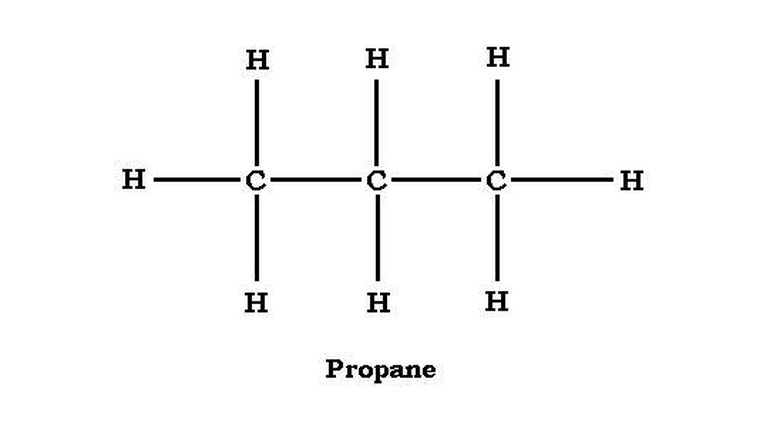
Propane is a colorless and odorless gas in its natural state.
Key features:
- Chemical formula: C₃H₈
- Highly flammable
- Produces a clean blue flame
- Works well in colder temperatures
Propane is commonly used in domestic gas cylinders, heating systems, and cooking appliances.
2. Butane (C₄H₁₀)

Butane is also a colorless gas and is often mixed with propane.
Key features:
- Chemical formula: C₄H₁₀
- Burns efficiently
- Stored easily under pressure
- Commonly used in lighters and portable stoves
Butane performs better in warmer climates compared to propane.
Other Components in LPG
Apart from propane and butane, LPG may contain small amounts of other hydrocarbons such as:
- Propylene (C₃H₆)
- Butylene (C₄H₈)
These are present in minor quantities and do not significantly affect the main use of LPG.
Why LPG Has a Smell
Naturally, LPG gases are odorless, which can be dangerous in case of leakage. To make it safe, a chemical called:
- Ethyl Mercaptan (C₂H₅SH)
is added. This gives LPG a strong, unpleasant smell, making leaks easy to detect.
Chemical Nature of LPG
LPG belongs to the alkane family of hydrocarbons. These compounds contain:
- Carbon (C)
- Hydrogen (H)
They are known for:
- Clean combustion
- High calorific value
- Low pollution compared to other fossil fuels
When LPG burns, it mainly produces:
- Carbon dioxide (CO₂)
- Water vapor (H₂O)
LPG Composition in India
In countries like India, LPG cylinders generally contain a mixture of propane and butane, with the ratio changing based on the season:
- Winter: More propane (better vaporization in cold weather)
- Summer: More butane (efficient in warm temperatures)
Advantages of LPG Chemicals
The chemical composition of LPG makes it highly useful:
- Burns cleanly with minimal smoke
- Produces high heat energy
- Leaves no residue or ash
- Easy to liquefy and transport
- Environment-friendly compared to coal or wood
Safety Aspects of LPG Chemicals
While LPG is very useful, its chemical nature also makes it:
- Highly flammable
- Heavier than air (can accumulate near the ground)
Therefore, proper ventilation and careful handling are important.
Quick Summary
- LPG is mainly made of propane (C₃H₈) and butane (C₄H₁₀)
- It may contain small amounts of other hydrocarbons
- Ethyl mercaptan is added for smell
- It is a clean, efficient, and widely used fuel
Conclusion
LPG gas is not a single substance but a carefully balanced mixture of hydrocarbon gases, primarily propane and butane. These chemicals give LPG its efficiency, portability, and clean-burning nature. Thanks to its composition, LPG has become one of the most important fuels in modern life, especially for cooking and heating.
FAQ
1. Which chemical is mainly present in LPG?
LPG mainly contains propane (C₃H₈) and butane (C₄H₁₀).
2. Is LPG a pure gas?
No, LPG is a mixture of different hydrocarbon gases.
3. Why does LPG smell?
LPG itself is odorless, but ethyl mercaptan is added to detect leaks.
4. Is LPG environmentally friendly?
Yes, LPG burns cleaner than many other fossil fuels and produces less pollution.
5. What happens when LPG burns?
It produces carbon dioxide and water vapor along with heat energy.