
Is alcohol the biggest threat to your liver, or is your lifestyle to blame?
A growing body of medical evidence suggests that this is no longer a simple “either-or” question. Today, liver health is shaped by a complex interaction between alcohol consumption and everyday lifestyle habits. In fact, experts now warn that your daily routine—what you eat, how much you move, how you sleep—may be just as damaging as alcohol, and sometimes even more.
This shift in understanding is largely driven by the global rise of Metabolic Dysfunction-Associated Steatotic Liver Disease, a condition that is quietly becoming one of the most common liver disorders worldwide.
The Liver: Your Body’s Silent Workhorse
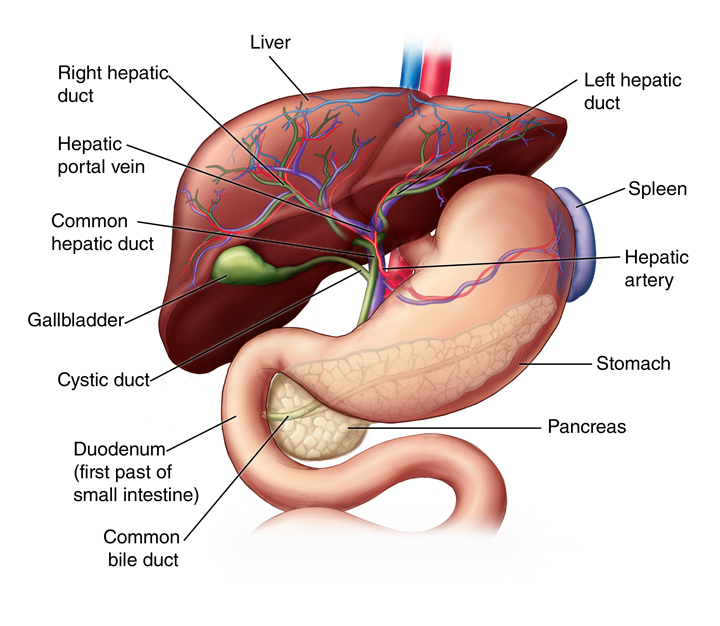
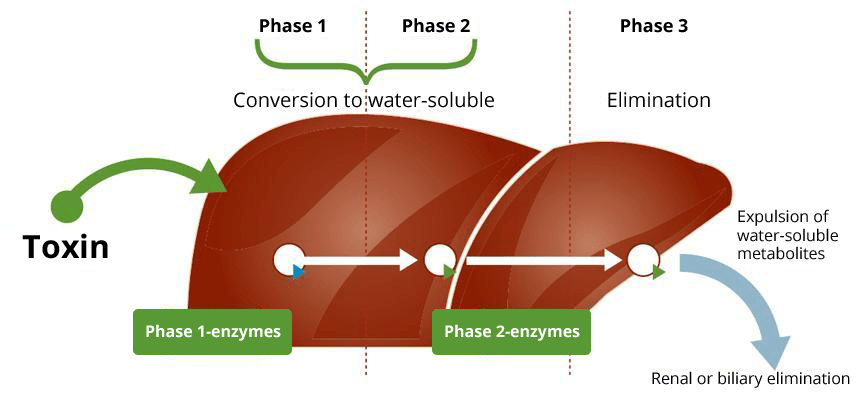
The liver is one of the most vital organs in your body. It performs over 500 functions, including:
- Filtering toxins from the blood
- Breaking down fats and nutrients
- Producing bile for digestion
- Storing energy in the form of glycogen
- Regulating hormones and metabolism
What makes the liver unique is its ability to regenerate. However, this ability is not unlimited. Continuous damage—whether from alcohol or poor lifestyle—can overwhelm its healing capacity.
Alcohol and the Liver: A Well-Known Enemy


Alcohol-related liver disease (ARLD) has long been recognized as a major health concern. When you consume alcohol, your liver works overtime to break it down. During this process, toxic byproducts are produced, which can damage liver cells.
Stages of alcohol-related liver damage
- Fatty Liver (Steatosis) – Fat begins to accumulate in liver cells
- Alcoholic Hepatitis – Inflammation and liver cell injury
- Fibrosis – Scar tissue starts forming
- Cirrhosis – Severe scarring and irreversible damage
Heavy or binge drinking accelerates this process. Over time, even moderate drinking can become harmful, especially when combined with other risk factors.
The Rising Threat: Lifestyle-Driven Liver Disease (MASLD)

While alcohol remains a significant risk, doctors are increasingly concerned about MASLD—a condition not caused by alcohol, but by metabolic dysfunction.
What causes MASLD?
MASLD is strongly linked to modern lifestyle habits:
- High intake of processed and calorie-dense foods
- Excess sugar and refined carbohydrates
- Lack of physical activity
- Obesity and weight gain
- Conditions like type 2 diabetes and insulin resistance
- Chronic stress and poor sleep
Unlike alcohol-related damage, MASLD often develops silently. Many people have no symptoms until the disease has progressed significantly.
Alcohol vs Lifestyle: Which Is Worse?
This is where things get interesting—and concerning.
The truth: both are dangerous, but together they are worse
- Alcohol and lifestyle factors are independent risk factors
- They can act together to accelerate liver damage
- Even small amounts of alcohol can become risky if you are overweight or diabetic
For example, someone with obesity who drinks socially may have a higher risk of liver disease than a lean person who drinks moderately.
Why the combination is harmful
- Fatty liver from lifestyle reduces the liver’s resilience
- Alcohol adds toxic stress on already weakened liver cells
- Inflammation increases significantly
- Progression to cirrhosis becomes faster
Why Fatty Liver Disease Is Increasing Rapidly
The rise of MASLD is closely tied to changes in how people live today.
Key contributing trends
- Urbanization: More sedentary jobs and screen time
- Diet changes: Increased consumption of fast food and sugary drinks
- Reduced physical activity: Less walking and manual work
- Stress: Chronic mental pressure affecting metabolism
- Sleep disruption: Poor sleep impacts hormone balance
This explains why even young adults—and sometimes teenagers—are now being diagnosed with fatty liver disease.
Warning Signs You Should Not Ignore
One of the biggest challenges with liver disease is that symptoms appear late. However, some early signs may include:
- Constant fatigue
- Mild abdominal discomfort (especially on the right side)
- Unexplained weight gain or loss
- Loss of appetite
- Yellowing of skin or eyes (in advanced stages)
Because symptoms are subtle, routine health check-ups are essential.
Can the Liver Heal Itself?
Yes—this is the good news.
The liver has a remarkable ability to regenerate, especially in the early stages of damage. Conditions like fatty liver can often be reversed with the right lifestyle changes.
However, once it progresses to cirrhosis, the damage becomes permanent.
How to Protect Your Liver: Expert-Backed Strategies

Prevention is far more effective than treatment. Here’s what experts recommend:
1. Limit alcohol intake
- Avoid binge drinking
- Follow safe drinking guidelines or abstain if at risk
2. Eat a balanced diet
- Focus on fruits, vegetables, whole grains, and lean protein
- Reduce processed foods and added sugars
- Avoid excessive fried and fatty foods
3. Stay physically active
- Aim for at least 30 minutes of exercise daily
- Include both cardio and strength training
4. Maintain a healthy weight
- Even a 5–10% weight loss can improve liver health
5. Manage underlying conditions
- Control diabetes, cholesterol, and blood pressure
6. Improve sleep and reduce stress
- Aim for 7–8 hours of quality sleep
- Practice stress management techniques like meditation or yoga
7. Get regular check-ups
- Liver function tests can detect problems early
The New Reality: It’s Not Just About Alcohol Anymore
For decades, liver disease was mostly associated with heavy drinking. That is no longer true.
Today:
- Non-drinkers are developing serious liver conditions
- Lifestyle-related liver disease is rising faster than alcohol-related cases
- The combination of poor lifestyle and alcohol is especially dangerous
This shift highlights an important message: your daily habits matter more than ever.
Final Takeaway
So, is alcohol the biggest threat to your liver? Not anymore—at least not alone.
Your lifestyle plays an equally powerful role, and in many cases, it is the hidden driver behind modern liver disease. Alcohol and lifestyle are not competing risks; they are compounding risks.
The encouraging part is that most liver damage is preventable—and even reversible in early stages. Small, consistent changes in your diet, activity, sleep, and alcohol habits can make a significant difference.
Your liver works silently every day to keep you healthy. The question is: are you doing the same for your liver?
FAQ
1. Is alcohol the main cause of liver disease?
No. While alcohol is a major cause, lifestyle-related conditions like fatty liver (MASLD) are now equally common and rising rapidly.
2. What is MASLD?
MASLD (Metabolic Dysfunction-Associated Steatotic Liver Disease) is fatty liver disease caused by poor lifestyle, obesity, and metabolic issues—not alcohol.
3. Can non-drinkers get liver disease?
Yes. Many non-drinkers develop fatty liver due to poor diet, lack of exercise, and conditions like diabetes.
4. Is fatty liver reversible?
Yes, in early stages it can be reversed with weight loss, healthy diet, exercise, and lifestyle changes.
5. What are early symptoms of liver disease?
Fatigue, mild abdominal pain, and weakness are common early signs, but many cases have no symptoms initially.
6. Can moderate alcohol intake be harmful?
Yes, especially if combined with obesity or metabolic conditions, even moderate drinking can increase liver damage risk.
7. How can I protect my liver?
Limit alcohol, eat healthy, exercise regularly, maintain weight, manage stress, and get regular health check-ups.