
Rapid Read
Weight loss today is no longer just about willpower or dieting. Medical science has introduced powerful tools—from hormone-based injections to advanced surgical procedures—that can help people lose weight safely and sustainably. The key is choosing the right option based on your body, health condition, and long-term goals.
The New Era of Weight Loss: Beyond “Eat Less, Move More”
For decades, weight loss advice sounded simple: reduce calories and exercise more. But in reality, obesity is a complex medical condition influenced by hormones, genetics, metabolism, mental health, and lifestyle.
Today, experts recognize that many people need more than diet and exercise alone. Modern treatments like GLP-1 medications and bariatric surgery are transforming how weight loss is approached—making it more scientific, personalized, and effective.
This shift is helping patients seek help earlier instead of waiting until serious complications develop.
Understanding GLP-1 Medications


Medications like Ozempic and Mounjaro belong to a class called GLP-1 receptor agonists.
These drugs work by mimicking natural hormones in your body that control hunger and digestion.
How They Help with Weight Loss
- Reduce appetite and cravings
- Slow down stomach emptying
- Increase feeling of fullness
- Improve blood sugar control
This combination helps people eat less without feeling deprived.
Who Can Benefit Most
- People who are overweight or mildly obese
- Individuals with early-stage metabolic issues
- Patients looking for a non-surgical option
Limitations to Consider
- Require long-term use for sustained results
- Can be expensive over time
- Weight regain may happen if stopped suddenly
- Possible side effects like nausea or digestive discomfort
GLP-1 drugs are most effective when combined with lifestyle changes such as healthy eating, physical activity, and behavioral therapy.
Bariatric Surgery: The Gold Standard for Severe Obesity
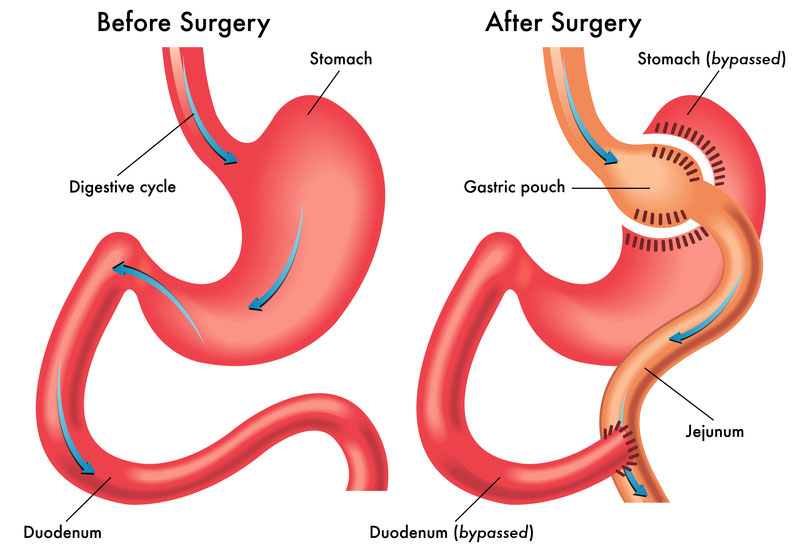
Bariatric surgery is a medical procedure that alters the digestive system to help patients lose weight.
Common Types of Procedures
- Gastric sleeve (reduces stomach size)
- Gastric bypass (changes digestion pathway)
- Adjustable gastric band (less common today)
How It Works
- Limits how much food you can eat
- Alters hormones that regulate hunger
- In some cases, reduces calorie absorption
Who Should Consider Surgery
- BMI of 40 or higher
- BMI of 35+ with conditions like diabetes, high blood pressure, or sleep apnea
- Individuals who haven’t achieved results with other treatments
Benefits Beyond Weight Loss
- Remission of type 2 diabetes
- Improved heart health
- Better sleep and mobility
- Enhanced mental well-being
Risks and Considerations
- Requires surgery and recovery time
- Needs lifelong lifestyle changes
- Regular medical follow-up is essential
Despite these factors, bariatric surgery remains the most effective long-term solution for severe obesity.
GLP-1 vs Bariatric Surgery: Not Competitors, But Complements
It’s important to understand that these treatments are not rivals. They serve different purposes.
Key Differences
| Factor | GLP-1 Medications | Bariatric Surgery |
|---|---|---|
| Approach | Hormonal | Surgical |
| Best For | Mild to moderate obesity | Severe obesity |
| Weight Loss | Moderate | Significant and long-term |
| Cost | Ongoing monthly expense | One-time (often insured) |
| Reversibility | Yes | Mostly permanent |
Doctors often use a step-by-step approach, starting with medications and progressing to surgery if needed.
Why Early Intervention Matters
One of the biggest changes in modern weight care is timing.
Earlier, many people delayed treatment due to:
- Fear of surgery
- Social stigma
- Lack of awareness
Now, with more options available, people are seeking help sooner.
Benefits of Acting Early
- Prevents serious complications
- Improves success rates
- Reduces long-term healthcare costs
- Enhances quality of life sooner
Early treatment can stop obesity from progressing into conditions like heart disease, diabetes, and joint problems.
Cost and Accessibility in India
In India, financial factors play a major role in choosing treatment.
Bariatric Surgery
- Often covered by insurance if criteria are met
- One-time cost with long-term benefits
GLP-1 Medications
- Monthly recurring expense
- Can become costly over time
- Not always covered by insurance
This makes surgery a more practical option for some patients, especially in the long run.
The Importance of Personalised Treatment
There is no one-size-fits-all solution for weight loss.
Doctors evaluate:
- Body Mass Index (BMI)
- Existing health conditions
- Lifestyle habits
- Psychological factors
- Long-term goals
Typical Treatment Path
- Lifestyle changes (diet, exercise)
- Medications (like GLP-1 drugs)
- Surgical intervention (if required)
The best results come from combining medical treatment with sustainable lifestyle habits.
Common Myths About Modern Weight Loss Treatments
“Weight loss drugs are a shortcut”
Not true. They support biological processes but still require lifestyle changes.
“Surgery is dangerous and should be avoided”
Modern bariatric procedures are much safer than before and highly effective when done by experienced surgeons.
“If I stop medication, I’m cured”
Weight management is ongoing. Stopping treatment without a plan often leads to regain.
The Future of Weight Loss Treatment
The field is evolving rapidly with:
- New combination drugs
- More targeted hormone therapies
- Less invasive surgical techniques
- Personalized treatment plans using AI and data
In the coming years, weight loss care will become even more precise and patient-focused.
The Takeaway
Weight loss is no longer just about discipline—it’s about understanding your body and choosing the right medical support.
- GLP-1 medications like Ozempic and Mounjaro are excellent for early-stage or moderate weight issues.
- Bariatric surgery remains the most effective solution for severe obesity.
- The best approach is personalized, guided by medical experts, and supported by long-term lifestyle changes.
Choosing the right path at the right time can not only help you lose weight—but also transform your overall health, confidence, and quality of life.
FAQ Section
What are GLP-1 drugs used for in weight loss?
GLP-1 drugs help reduce appetite, slow digestion, and improve blood sugar control, making it easier to lose weight.
Is bariatric surgery better than weight loss medications?
It depends on the patient. Surgery is more effective for severe obesity, while medications work well for mild to moderate cases.
Can you regain weight after stopping GLP-1 medications?
Yes, weight regain is common if the medication is stopped without maintaining lifestyle changes.
Who should consider bariatric surgery?
People with a BMI over 40, or over 35 with health issues like diabetes or hypertension, should consider surgery.
Are GLP-1 injections safe?
They are generally safe under medical supervision but may cause side effects like nausea or digestive issues.