
Learn who Pulakeshin II was, his victories over Harsha, Chalukya empire expansion, administration, culture, and historical legacy in India.
Who Was Pulakeshin II?
Pulakeshin II was one of the greatest and most powerful rulers of early medieval India. He ruled during the 7th century CE and belonged to the Badami Chalukya dynasty, a dynasty that shaped the political, cultural, and architectural history of the Deccan region.
He is best remembered for:
- Expanding the Chalukya Empire across large parts of India
- Defeating the mighty North Indian emperor Harsha
- Strengthening administration, diplomacy, and military organization
- Supporting art, religion, and early temple architecture
Pulakeshin II stands out as a rare ruler who successfully challenged northern domination and established the Deccan as a major center of power.
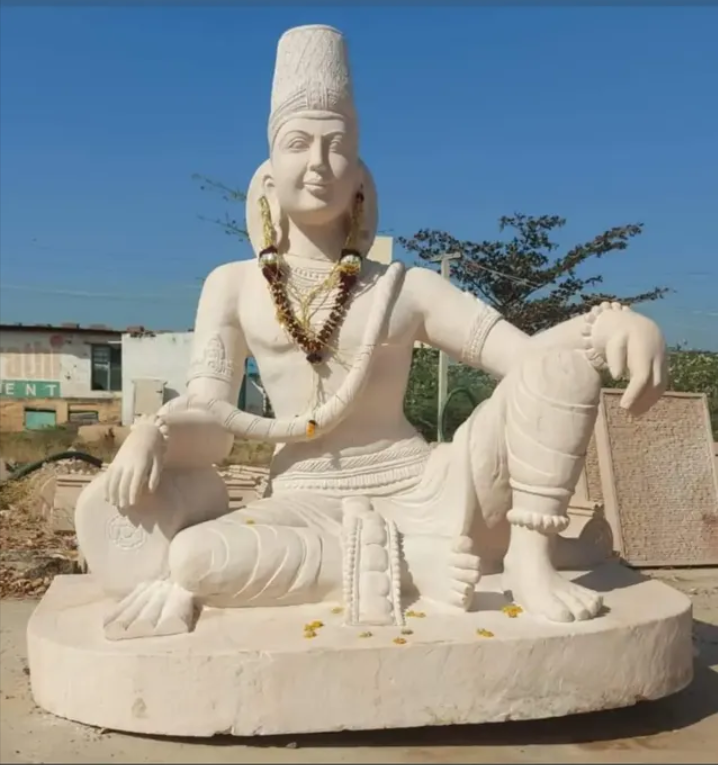
Pulakeshin II ? Bio Information Table
| Full Name | Pulakeshin II |
| Birth Name | Ereya |
| Dynasty | Badami Chalukya Dynasty |
| Father | Kirtivarman I |
| Uncle | Mangalesha |
| Reign | c. 610 CE ? 642 CE |
| Capital | Vatapi (modern Badami, Karnataka) |
| Region Ruled | Deccan India (parts of Karnataka, Maharashtra, Andhra Pradesh, Gujarat) |
| Famous Title | Satyashraya |
| Religion | Hinduism (religious tolerance practiced) |
| Major Achievement | Defeated Emperor Harsha at the Narmada River |
| Key Inscription | Aihole Inscription |
| Court Poet | Ravikirti |
| Administrative Style | Decentralized governance |
| Foreign Relations | Diplomatic ties with Persian ruler Khosrow II |
| Art & Architecture | Patron of Badami, Aihole, and Pattadakal temples |
| Major Rival | Pallava ruler Narasimhavarman I |
| Cause of Decline | Pallava invasion of Vatapi |
| Death | c. 642 CE |
| Historical Importance | Established Deccan as a major imperial power |
Early Life and Background
Pulakeshin II was born as Ereya into the royal Chalukya family. His father was Kirtivarman I, a strong ruler who laid the foundations of Chalukya power in the Deccan.
After his father?s death, Ereya did not immediately ascend the throne. His uncle Mangalesha became the ruler, leading to internal conflict. Ereya eventually challenged his uncle and emerged victorious, ascending the throne around 610 CE with the royal title Pulakeshin II.
This early struggle hardened him into a capable and determined ruler.
Coronation and Rise to Power
After securing the throne, Pulakeshin II focused on:
- Stabilizing the kingdom
- Crushing internal rebellions
- Strengthening the army
His coronation marked the beginning of a golden phase of the Badami Chalukyas.
He ruled from Vatapi (modern Badami, Karnataka), which became a major political and cultural capital.
Expansion of the Chalukya Empire
Pulakeshin II was an ambitious conqueror. His military campaigns expanded the Chalukya Empire in all directions.
Southern Campaigns
- Defeated the Kadambas, Gangas, and Alupas
- Established firm control over large parts of present-day Karnataka
- Subdued rulers in Andhra and Telangana regions
Eastern Expansion
- Defeated the Vishnukundins
- Appointed his brother Kubja Vishnuvardhana as governor
- This later led to the rise of the Eastern Chalukyas of Vengi
Western Campaigns
- Extended influence into parts of Maharashtra and Gujarat
- Controlled important trade routes and ports
Victory Over Harsha ? A Historic Moment
One of the most famous achievements of Pulakeshin II was his victory over Emperor Harsha of Kannauj.
Why This Was Important
- Harsha was the most powerful ruler of North India
- No southern king had previously checked northern expansion so effectively
The Battle
- The two armies met near the Narmada River
- Pulakeshin II successfully halted Harsha?s southward advance
- The Narmada became the boundary between northern and southern empires
This victory:
- Made Pulakeshin II a pan-Indian ruler
- Earned him recognition from foreign powers
- Established the Deccan as an equal political force
Administration and Governance
Pulakeshin II was not just a warrior; he was a skilled administrator.
Key Features of His Administration
- Decentralized governance with local governors
- Strong provincial administration
- Efficient tax collection system
- Respect for local traditions and rulers
Titles and Authority
He assumed grand titles such as:
- Parameshwara (Supreme Lord)
- Satyashraya (Protector of truth)
Foreign Relations and Diplomacy
Pulakeshin II maintained diplomatic relations with distant kingdoms.
Persian Connection
- Exchanged embassies with the Sassanian ruler Khosrow II
- Persian influence can be seen in Chalukya court culture and art
This shows that his empire was internationally recognized.
Religion and Cultural Policy
Pulakeshin II followed a policy of religious tolerance.
Religions Patronized
- Hinduism (Shaivism and Vaishnavism)
- Jainism
- Buddhism
He supported scholars, monks, and artists from different traditions.
Contribution to Art and Architecture
The reign of Pulakeshin II marked a turning point in Indian temple architecture.
Architectural Achievements
- Development of rock-cut temples at Badami
- Structural temples at Aihole and Pattadakal
- Fusion of northern (Nagara) and southern (Dravida) styles
These sites later became UNESCO World Heritage Sites.
The Aihole Inscription ? A Historical Treasure
One of the most valuable historical records of Pulakeshin II is the Aihole Inscription.
Written By
- Court poet Ravikirti
Importance
- Describes Pulakeshin II?s military victories
- Mentions his defeat of Harsha
- Provides accurate historical chronology
This inscription is a key source for reconstructing early Indian history.
Military Strength and Strategy
Pulakeshin II?s army was well-organized and disciplined.
Military Features
- Infantry, cavalry, and war elephants
- Strategic use of terrain
- Strong forts and defensive structures
- Skilled generals and commanders
His leadership style emphasized planning over brute force.
Decline and Death
Despite his successes, Pulakeshin II faced challenges in his later years.
Conflict with the Pallavas
- The Pallava king Narasimhavarman I invaded Chalukya territory
- Badami was captured
- Pulakeshin II likely died around 642 CE, possibly during this conflict
His death marked a temporary decline of Chalukya power.
Legacy of Pulakeshin II
Pulakeshin II left behind a powerful legacy.
Why He Is Remembered
- One of India?s greatest early medieval rulers
- Defender of the Deccan against northern domination
- Patron of culture and architecture
- Model of administrative efficiency
Historical Importance
- Elevated the Chalukyas to imperial status
- Inspired later dynasties of South India
- Strengthened Indian political unity through balance of power
Timeline of Pulakeshin II
| Year / Period | Event |
|---|---|
| c. 610 CE | Ascended the throne |
| 612?620 CE | Consolidation and early conquests |
| c. 620 CE | Victory over Harsha |
| 624?630 CE | Peak of empire |
| c. 640 CE | Pallava invasion |
| c. 642 CE | Death of Pulakeshin II |
Conclusion
Pulakeshin II was a visionary emperor who transformed a regional kingdom into a powerful empire. His reign represents a high point in Indian political, military, and cultural history.
By defeating Harsha, promoting diplomacy, supporting religious harmony, and encouraging architectural innovation, Pulakeshin II secured his place among the greatest rulers India has ever produced.
Frequently Asked Questions (FAQs)
? Who was Pulakeshin II?
Pulakeshin II was a powerful 7th-century ruler of the Badami Chalukya dynasty, known for expanding his empire and defeating North Indian emperor Harsha.
? Why is Pulakeshin II famous in Indian history?
He is famous for stopping Harsha?s southern expansion, strengthening Deccan power, and promoting art, culture, and temple architecture.
? Which dynasty did Pulakeshin II belong to?
Pulakeshin II belonged to the Badami Chalukya dynasty, which ruled large parts of southern and central India.
? What was Pulakeshin II?s capital?
His capital was Vatapi, present-day Badami in Karnataka.
? What is the Aihole inscription?
The Aihole inscription was written by Pulakeshin II?s court poet Ravikirti and records his achievements, including his victory over Harsha.